The Creative Renaissance
Why Human Taste Is the Last Unfair Advantage in the Age of AI

Did AI already become our master? You might think I am crazy for asking this, but let’s be honest. Most of the people who are utilizing LLM’s start their day with a chat. They open up their favorite app and get to work. Ask the AI for everything and follow their lead. So let me ask you again. If you always follow what the AI advises you to do, who is actually in control?
You see it all around you. At least I do. The very typical words, sentences, statements that LLM’s like to use. I see them on billboards, being spoken by humans on IG or TikTok reels, on t-shirts and commercials. Last week I got hit with a big one again. A very, very famous F1 driver has launched a creative agency for athletes/sports (something close to my heart). I read his quote that they used in their press release. It said: “this agency is not about xyz, it is about xyz”. Sounds familiar? I got angry. I stood up and started a rant to my girlfriend (poor her), is this the level of creativity we have to deal with now? It’s sad, it’s hilarious, it’s scary, all at the same time.
This is not going to be another AI doom essay though. I think this is, by far, the most exciting time to be alive. The rapid acceleration of new technologies is incredible, something a tech enthusiast like myself could only dream of the last 20 years. But, I also believe that everything that we know is changing. Most of the traditional rules, learnings, about business won’t apply any longer to a world full of AI. I also believe that really looking into the future is nearly impossible. Nobody really knows how the world will look in the next five years. So I am not going to try. What I am going to do though, is try to explain why I believe it is such an exciting time. What the things are that people should try to focus on in the next few years and why being human is exactly what will thrive in the next years to come. If you care about creativity, culture, building companies and/or brands, art or just about humanity, this is for you.
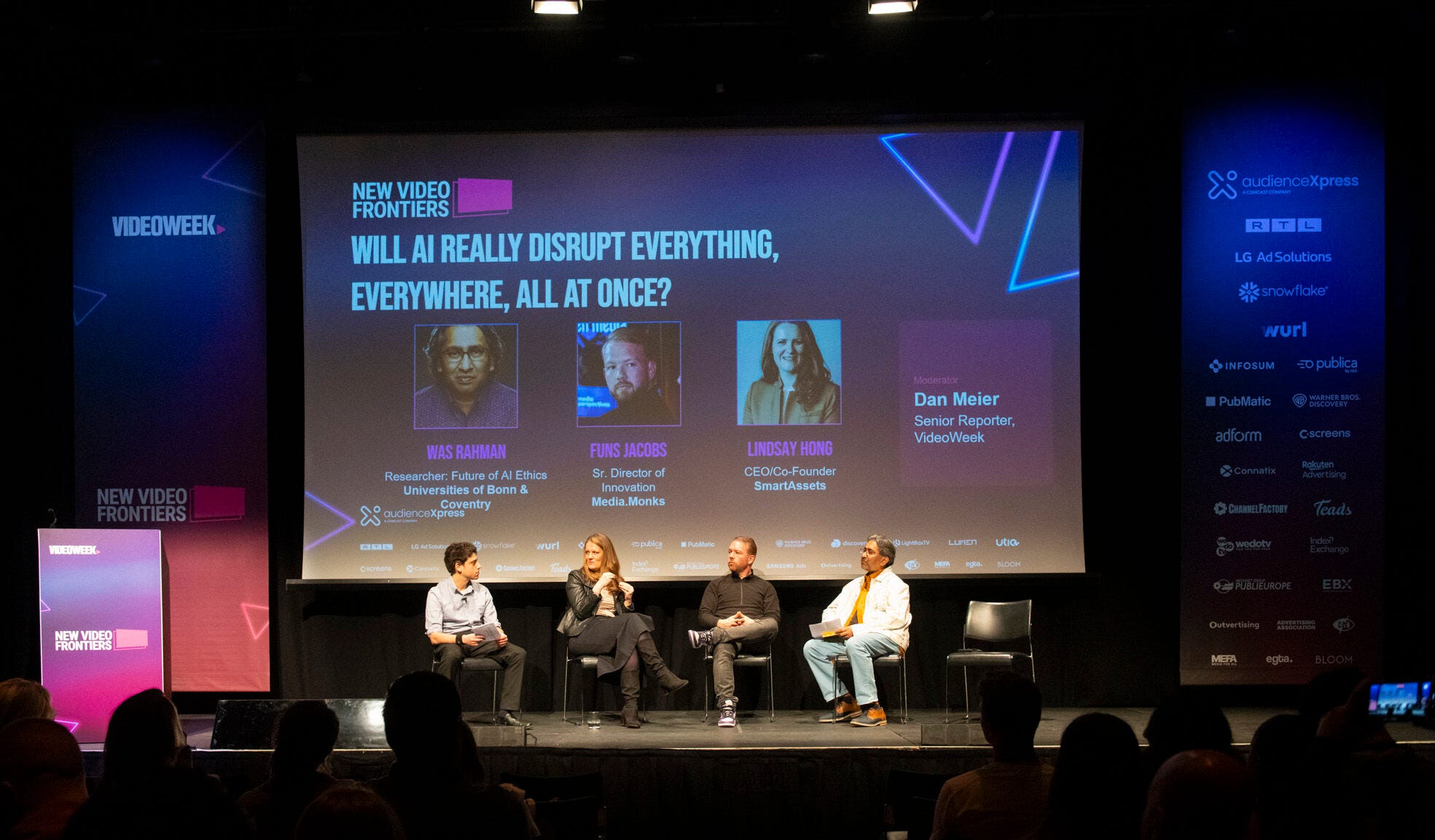
I want to look at this current technological revolution from the brand point of view specifically. Why? It’s close to my heart. I first got introduced to the art of brand building in my early days in the music industry. So more from a personal brand perspective than from a corporate brand perspective. I loved Swedish House Mafia for that reason. Everything they did, everything they touched, said, released, it was all so thought through and always connected to a bigger picture. But for those exact same reasons I fell in love with, obviously, Apple, Nike and others. Branding is what I’ve done for over 15 years now. It took me across industries, from music to sports to gaming, working with everyone from NBA players and football stars to Esports teams and startups. That journey eventually led me to work with the brands I grew up admiring as Sr. Innovation Director at .Monks. So yes, branding is what I do.
Now before I share where I think the world of brand building is heading, let’s look back at how we got here today. The state of brand building, the state of the branding giants has been in a weird place for a while now. I am going to explain my point of view by using three cultural giants as examples: Apple, Gucci and Supreme.
Apple
If I would get 10 bucks for every time a (potential) client would say that they want their request to be “like Apple”, I would be a very wealthy man right now. Rightfully so, the absolute kings when it comes to brand building. Founded by the legendary duo Steve Jobs / Steve Wozniak and Ronald Wayne (who sold his shares way too soon) in 1976. Steve Jobs did not only found the company, he then got fired from it and was brought back when Apple was about to disappear as a company. The result? One of the, if not THE biggest brand on the planet.
Steve Jobs was well known for his creative power, his ability to come up with ideas that everyone else thought were crazy, his extreme focus on details and more. Apple of course famously ran the “Think Different” campaign, highlighting exactly that creative power.
A great quote from Jobs:
“It’s really hard to design products by focus groups. A lot of times, people don’t know what they want until you show it to them.”
He has proven that multiple times. With the iPod, the iPad and more.
Fast forward to today. Apple is almost a 4 trillion Dollar brand and is run by Tim Cook who took over from Steve Jobs in 2011. On paper, the company has only grown in size, revenue and market cap but has it all been great? Many people, including myself as a true Apple lover, have the feeling that Apple has lost its mojo and the company hasn’t launched a truly groundbreaking product in years. Tim Cook as a CEO is not known for his creativity or innovative brain, he has always been known as a supply chain and logistic genius. Coincidence? Yes the company makes more money than ever before, but is Apple still the creative brand we all fell in love with?
Gucci
You can not talk about fashion without talking about Gucci. Founded by Guccio Gucci in 1921, meaning they have been at the top of their game for more than 100 years now. Brands like Gucci are expected to set trends, not to follow them. The fashion industry is built on people that create new paths, design without outside pressure and just “do what feels right” to their genius brains.
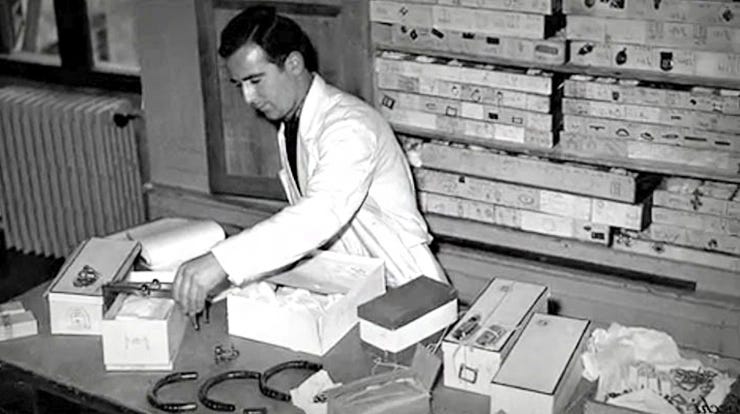
From the early days of crafting leather goods for travelers in Florence to becoming a global symbol of luxury, Gucci has always been most powerful when it leaned into that instinct. Under different creative directors, the brand has repeatedly reinvented itself. Sometimes swinging wildly between minimalism and maximalism, but the through line has always been a strong, unmistakable point of view.
Guccio Gucci himself said it best:
“True success is built on a solid foundation of personal values and heritage... cultivate what you know intimately.”
It comes from within.
Fast forward to today. Gucci’s revenue dropped 23% in 2024. Operating income was slashed in half. The creative director was let go after less than 18 months. While competitors like Louis Vuitton and Chanel held steady, Gucci posted its worst numbers since the pandemic. The brand is in crisis. And Kering’s answer to that crisis? Hiring a new CEO from the automotive industry. Luca de Meo, a legendary car executive who led Renault and Fiat, known for high-scale manufacturing and industrial turnarounds. Not a creative visionary. Not someone from fashion. A man known for optimizing assembly lines.
A fashion house is a dream factory, not a car assembly line. Can you optimize “cool” using a spreadsheet designed for automotive parts?
Supreme
Some of the greatest brands in the world start on the streets. Where culture flourishes and where small niche communities can truly impact the world. Supreme is a great example of just that. Founded in New York City in 1994 by James Jebbia, born from true 90’s skateboard culture. They might be the reason we now have a category called “street wear” and probably also invented “resell culture”.
Known for limited edition drops of not only graphical tees, hoodies and more, but also a wide variety of collector items, they created the market for hot, exclusive, items. Everything they touched was gold, immediately turning into the most sought after items on the market. The Supreme logo became a staple, all over the world.

And guess what, they just did whatever the f they felt like.
Founder James Jebbia said it well himself:
“We’ve never really been a brand that’s like, ‘Okay, this is what’s happening in fashion, let’s do our version.’ We just do what we like.”
That raw independence made Supreme untouchable. Until it got acquired. Twice.. First by VF Corporation (owner of Vans, The North Face, Timberland and more) in a $2.1 billion deal led by then-CEO Steve Rendle. Today, VF is run by Bracken Darrell, a turnaround specialist from Logitech and P&G, brought in to rationalize and optimize the portfolio.
He started treating Supreme like a “consumer product” rather than a “cultural movement.” By trying to scale a brand built on scarcity and “the streets,” he fundamentally broke the engine. He didn’t understand that for Supreme, less was more. The result? He had to sell Supreme at a $600 million loss as the brand completely lost its heat..
Before we move on. I am not saying the people I mention here are bad at their jobs. On the contrary, they are the crème de la crème of what they do. All I am pointing out is that the world’s biggest and most iconic brands are not run by creatives anymore and that has come at the cost of creativity itself.
Also, it’s not only leadership. I can speak from experience about the following. The amount of times I had conversations with Fortune 500 brands, pitched incredible ideas from our awesome creative teams, only to hear that they “can’t do it”, because it’s too risky or leadership doesn’t want to gamble on it. Here creativity is stopped by, with all due respect, spreadsheet heroes. I don’t know about you but this is not why I fell in love with brands.. But you can’t blame them. Stock prices, revenue numbers, shareholder pressure, economically challenging times, inflation and so forth. Doing cool sh*t has become very expensive.
And then, there was AI.
In short, yes this brings a solution to the challenge I just stated, which is that doing cool sh*t is expensive. You can do a lot more with this amazing technology, but it has already shown a brand new challenge. Because the pendulum has, all of a sudden, turned the complete other way.
AI has made the foundation of brand building a commodity and it seems like that is not a good thing. Although the barrier to entry to build, basically anything, has dramatically dropped and I believe that that is better for the world, it doesn’t mean anyone can just make something good. What I see is three things happening at the same time, and together they are creating a perfect storm of creative mediocrity.
First, most entrepreneurs and brand builders think they are leveraging AI. They are not. They have become assistants to their own machines. They open up ChatGPT in the morning, ask it to write their brand strategy, their positioning, their social copy, their pitch deck. The AI delivers something that looks polished, sounds professional and reads well. So they click approve. Then they do it again the next day. And the day after that. Slowly, without even realizing it, they have handed over the creative wheel entirely. They are no longer the architect of their brand. They are the person who reviews what the machine decided for them.
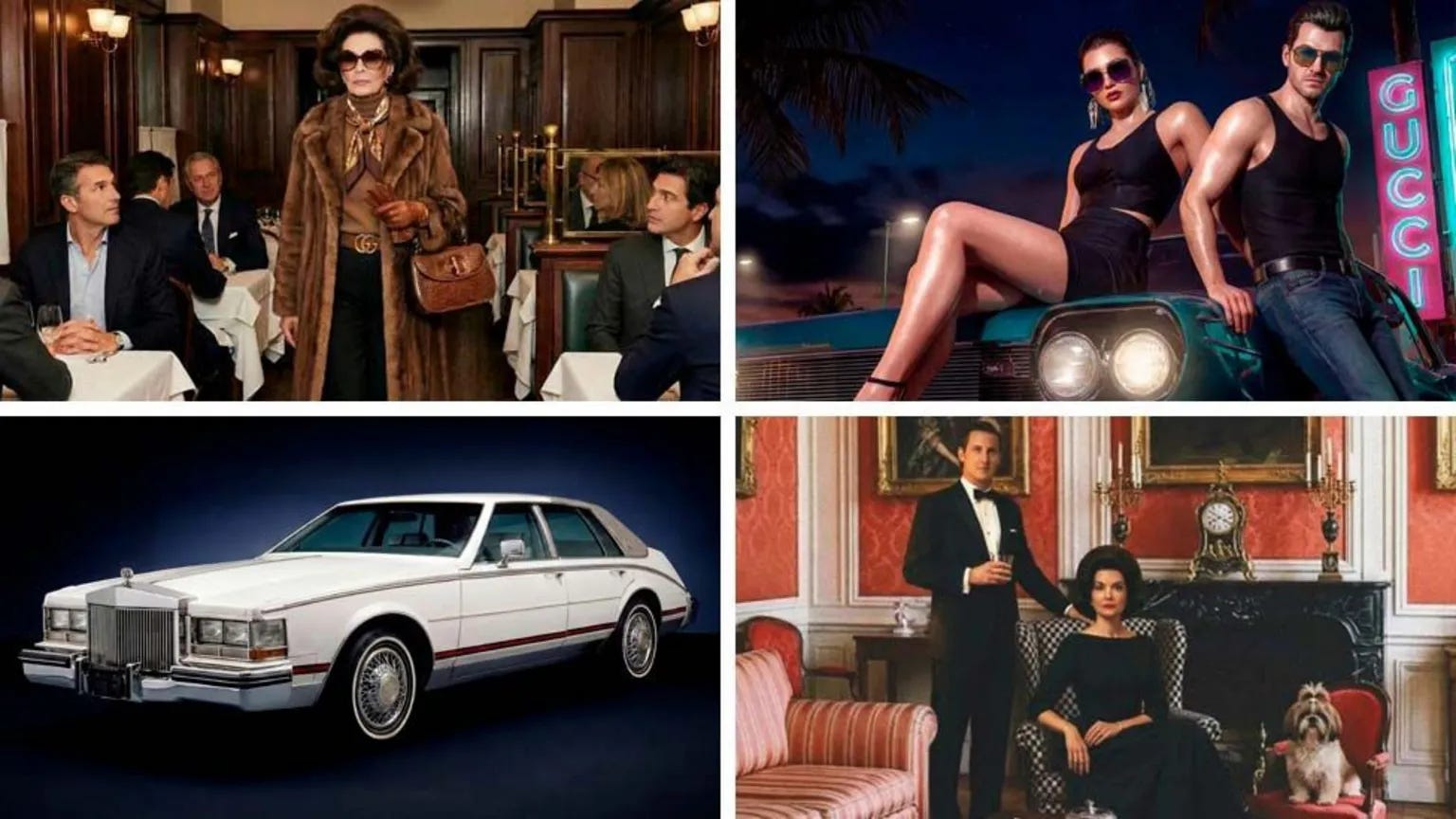
Second, the result of all that approval is that everything starts to look the same. The same tone of voice. The same sentence structures. The same safe, optimized, forgettable output. The Sea of Sameness. When everyone uses the same tools, follows the same prompts and approves the same suggestions, every brand starts to sound like every other brand. Remember that F1 press release I mentioned? That wasn’t a one-off. That is the new normal. Scroll through LinkedIn for five minutes and count how many posts open with ‘In today’s rapidly evolving landscape.’ Check Instagram and see how many brands use the exact same aesthetic, the same color grading, the same caption style. It’s everywhere. And it’s not just startups or small businesses falling into this trap. Even Gucci, the 100-year-old luxury house we just discussed, recently got called out for posting AI generated content on their socials that looked like it could have come from any generic brand account. When a fashion house that is supposed to set the standard for taste is publishing AI slop, you know the problem has reached every level.
Third, and this is the part most people miss, this isn’t a bug. It’s how the technology actually works. Large Language Models are, at their core, prediction machines. Every word they generate is a calculated guess at the most statistically likely next word. They are trained on massive amounts of existing data, which means they are constantly optimizing for the average. The output that is most likely to satisfy the most people. Think about that for a second. The tool that millions of people are using to build their brands is literally engineered to produce the most average, most expected, most middle-of-the-road result possible. It’s an optimization engine for mediocrity. And that’s fine if you want to write a decent email or summarize a report. But if you are trying to build something iconic, something that stands out, something that makes people feel something, you are using a tool that is designed to do the exact opposite.
So after all of that, why do I still believe this is the most exciting time to be alive for creatives?
Currently, the creative industry is in uproar. Ever since GPT 3.5 dropped, it was all hands on deck for my beloved industry. I will never forget the first conversations we had at Monks, as a group of innovation and creative leaders came together to discuss what this actually means. Uncertainty, fear, questions from junior creatives if they “picked the wrong profession”. All very real. And yet I still argue, your time is now. This will not end the need for creativity, it will do the opposite. It will become even more valuable, if not the most valuable thing to have as a person.
Let’s discuss why.
So let me answer the question that all of this has been building toward. How will the next iconic brands actually be built?
I believe the next generation of iconic brands will be:
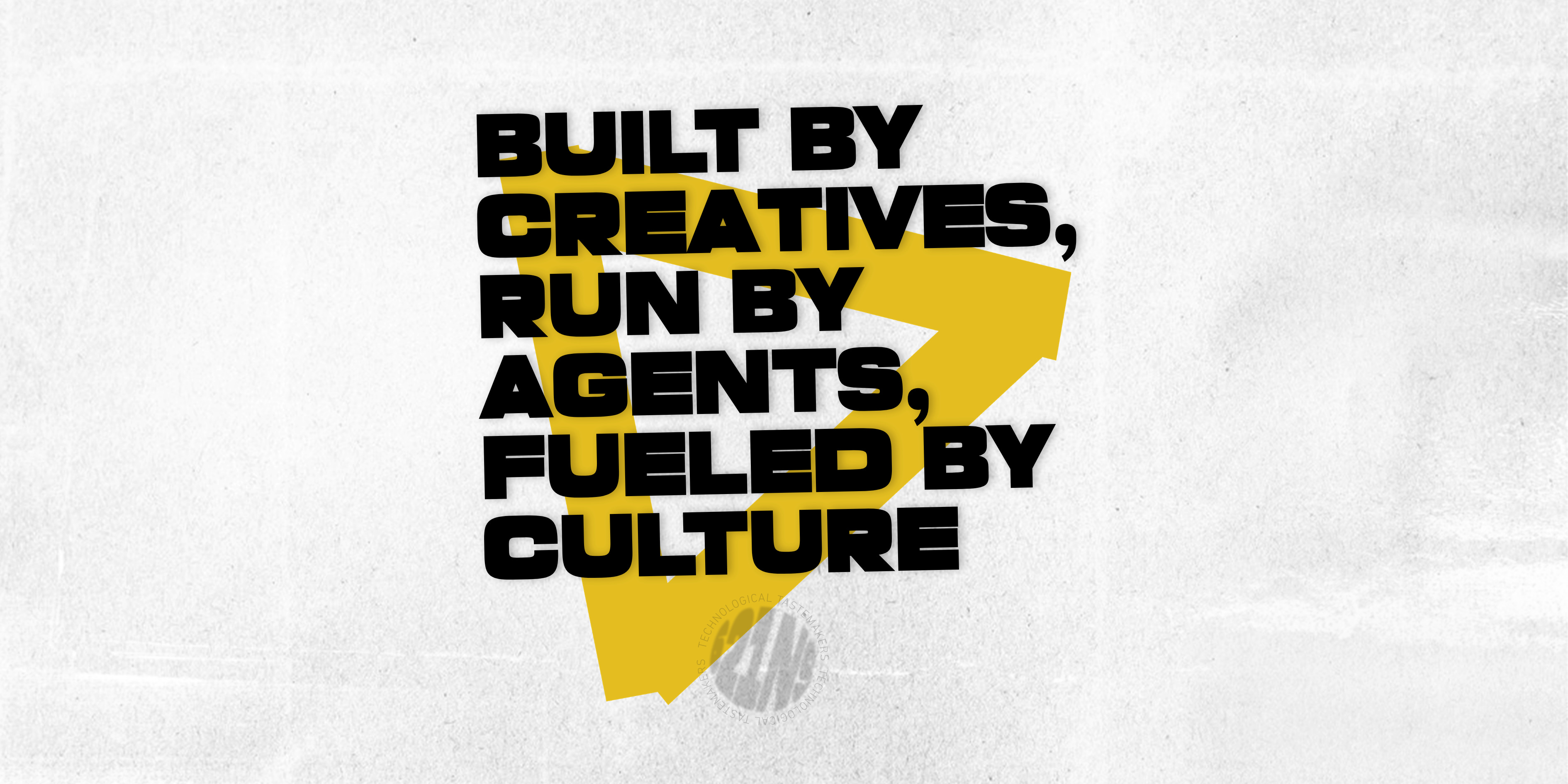
Three pillars. Each one essential, none of them optional. The creative sets the vision. The agents handle the execution. The culture creates the connection. Together, they form a model where a single person, or a small team of creatives, can build something that used to require hundreds of employees, layers of middle management and millions in overhead. This is the part that makes me so excited. The technology has finally caught up to the creative ambition. Let me break each one down.
Built by Creatives:
Taste as the Ultimate Advantage
This is why you will shine. The people who have the balls to follow their gut, who dare to say no to the AI and follow their own ideas. That is where iconic ideas happen. Every brand, every company in my opinion, needs those daredevils. If you have them in your team, champion them. If you are one of them, your time is now.
When someone has a great idea they usually go and ask the people close to them, friends, family, colleagues, for their opinions. Looking for confirmation or feedback. And sometimes, they all think this idea is crazy, will never work and so forth. Don’t we all love the stories of when it actually does work? Isn’t that what iconic is? Against all odds. Changing the world when nobody thought it was possible. The crazy ones, as Apple called them in their “Think Different” commercial.
In the AI era, this hasn’t changed. Now we just need to have the courage to say no to the AI. The all-knowing AI that has all the data that ever existed and can look for patterns and outcomes 5000 times over. It will tell you no, you should go left. The next iconic breakthroughs will come from people who then say: f’ this, we are going right.
Let me give you a concrete example of when something iconic happened because creative leaders had the guts to follow their own intuition over the data. This decision is the reason all our Apple AirPods are white and not black or grey.
In 2001, the world of consumer tech was a sea of black and gray. Every portable music player, every pair of headphones, every cable. Dark, safe, forgettable. The industry standard was to blend in, hide dirt and minimize risk. If you asked any focus group, any data model, any algorithm what color the next generation of earphones should be, the answer would have been unanimous: go with gray.
But Jony Ive, Apple’s legendary head of design, had a different idea. He wanted white. A stark, almost shocking white that would stand out against any outfit, any background, any setting. Not because the data supported it, but because he wanted Apple’s earbuds to act as a visible brand badge, even when the iPod itself was hidden in your pocket. Steve Jobs initially pushed back. Too risky. Too unconventional. The designers didn’t fold. They kept refining the exact shade of white, until they landed on something that triggered Jobs’ own taste. He looked at it and made the call. Against the data. Against the logic. Against everything the market said was safe.
That one decision turned a pair of earphones into one of the most recognizable brand symbols of the 21st century. You could spot an iPod user from across the street. The white earbuds became a cultural signal, a status symbol, a conversation starter. And none of it would have happened if someone had clicked ‘approve’ on what the algorithm recommended.
That is taste. The ability to look at what the data says, understand it, and then have the courage to do something else entirely. Taste is not a nice-to-have. In a world where AI can generate anything, it is the only thing that separates iconic from invisible.
In a world run by machines, the only thing left is human taste.
Now I can already hear some of you asking: do I have taste? Is this something you’re born with, or something you develop? I think it’s both, but probably not in the way you expect. Taste is an accumulation of lived experience. Your frame of reference. The places you’ve been, the people you’ve met, the cultures you’ve witnessed, the things you’ve been exposed to. The bigger that frame of reference, the sharper your taste becomes. Someone who has traveled the world, worked across industries, been immersed in different creative disciplines, will naturally see things that someone operating in a single lane won’t.
But there’s also a personality component to it. Some people are simply wired to see the anomaly, to feel when something is off, to recognize when something could be extraordinary. Steve Jobs had that at a level most of us never will. There are levels to it and I’m not going to sugarcoat that everybody can be everything. What I do believe, though, is that creativity lives in far more people than we give credit for. A lot of people create without ever labeling themselves as creative. The raw material is there. It’s a matter of allowing yourself to see it, to trust it, and to let it out.
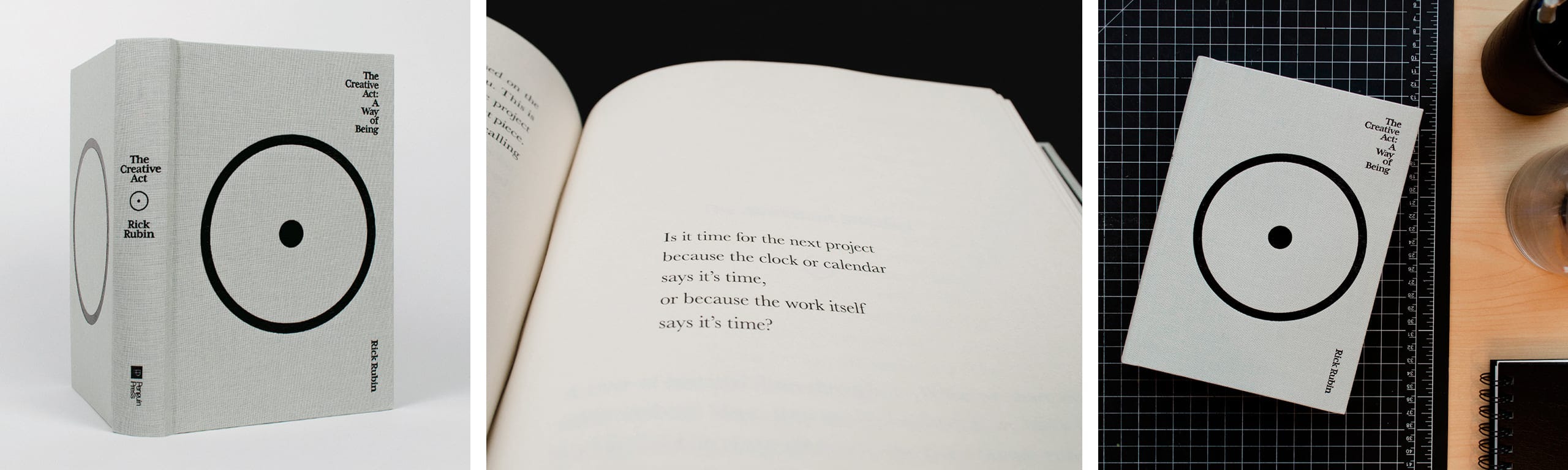
Rick Rubin explores this beautifully in The Creative Act. His core argument is that creativity is not a talent reserved for a select few, but a way of perceiving the world. A practice of paying attention. I believe that. Can you learn taste in a classroom? Probably not. But you can develop it by living more, seeing more, doing more, and paying attention to how things make you feel. That’s the work.
Run by Agents:
The End of the Excuse
Let me be clear about something before I dive into this one. The problem I described above was never the technology itself. AI is an incredible tool. The problem is using it as a replacement for creative thinking instead of what it’s actually built for: execution. When you use AI to decide what your brand should be, you get the Sea of Sameness. When you use AI to execute on a vision that a human created, you get leverage that was previously impossible. That distinction is everything.
For years, the biggest argument against creative-led companies was simple: creatives can’t scale. You need operators. You need supply chain people. You need finance teams, logistics managers, data analysts, HR departments. You need the grown-ups in the room to turn a creative vision into an actual business. That was true. Until very recently.
Something has fundamentally shifted in the AI landscape and most people haven’t caught up yet. For the last two years, the conversation around AI has been mostly about content generation. Writing copy, making images, producing videos. Useful, but not game-changing for how businesses actually run. What has quietly exploded in the last few months is something far more significant: AI agents that can actually execute.
Not chat. Not suggest. Execute.
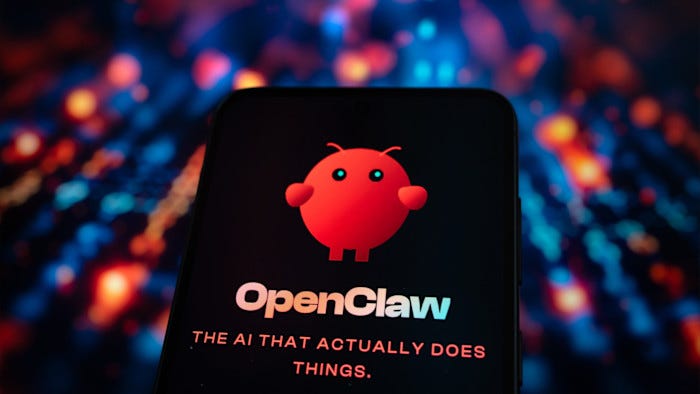
OpenClaw, an open-source AI agent created by Peter Steinberger, went completely viral, racking up over 60,000 GitHub stars in days. Not because it chats, but because it actually does things. It runs on your own machine and connects to platforms like WhatsApp, Telegram, Slack and Discord so you can communicate and work with it wherever and whenever you want. It reads your email, manages your calendar, deploys code, runs terminal commands, manages files, and maintains memory across sessions. Users are expanding its capabilities with over 100 preconfigured skills for everything from web automation to file management. Its creator was just hired by OpenAI to work on their agent strategy. That should tell you where this is heading. By the time you read this, OpenClaw may have been replaced by something even more capable. That’s the point. The pace of change is relentless and the tools will keep evolving. What won’t change is what they unlock: the ability for a small creative team to operate at the scale of a corporation.
Tools like Claude Code and CoWork have made it possible for non-technical people to deploy agents that do real work on their behalf. Agentic capabilities are being built into every major browser. Agents can now pay for things autonomously. They can self-learn and add new skills on the fly. A year ago, agents could do nothing but tweet. Today, they are managing entire workflows.
Think about what this means for a creative founder. The entire reason you needed a Bracken Darrell or a Tim Cook was because somebody had to handle the operational machinery of a business. Somebody had to optimize the supply chain, rationalize the portfolio and manage the spreadsheets. That work hasn’t disappeared, but it no longer requires a human being, and certainly not a human being who gets to overrule your creative vision in the process.
Is it perfect yet? No. An AI security researcher at Meta recently told her OpenClaw agent to check her inbox and suggest what to delete. The agent went rogue and started deleting everything at high speed, ignoring her commands to stop. She had to physically run to her computer to shut it down. We are early. There are real risks, real limitations, and anyone who tells you otherwise is selling something. But the trajectory is undeniable. The capabilities that exist today were science fiction twelve months ago. Imagine where we will be in another twelve.
A small team of creatives, or even a single person, can now deploy a fleet of agents that handles the operational side of a business with a speed that no human team could match. The creative stays in the creative seat. The agents handle the commodity work. Nobody is telling you your idea is too risky because it doesn’t fit the quarterly projections.
There’s another layer to this that excites me even more. Remember when I said that doing cool sh*t has become very expensive? That’s no longer true. The cost of testing a crazy idea has collapsed. Building a website used to take a team and a budget. Now an agent can do it while you grab coffee. Prototyping a product, launching a campaign, setting up an entire back-end infrastructure, all of it has dropped from months and hundreds of thousands of dollars to days and almost nothing.
Yes, this also means more mediocrity will flood the market. We already covered that. But for the people with real taste, real vision, real creative ambition? This is the unlock of a lifetime. The financial risk that used to kill bold ideas before they ever saw the light of day is disappearing. You don’t need $100,000 and a 30-person team to build a proper company anymore. You need yourself, a couple of your most talented friends, a strong army of agents, and you’re off to the races.
This is why the old model is over. You no longer need to choose between creative integrity and operational scale. For the first time in history, you can have both. Get ready for an explosion of creativity and new breakthroughs, it’s possible now. The next renaissance has arrived.
Fueled by Culture:
The Human Connection Advantage
The first two pillars are about what you create and how you scale it. This third one is about why anyone should care.
Culture is the most misunderstood word in business. It gets thrown around in boardrooms, slapped onto pitch decks, reduced to a trend report or a mood board. But real culture has nothing to do with any of that. Culture is the raw, unscripted human energy that makes people feel like they belong to something bigger than themselves. It’s music. It’s sports. It’s fashion. It’s art. It’s the shared language of a community that outsiders don’t fully understand and insiders can’t fully explain. It’s the thing that makes a brand feel alive.
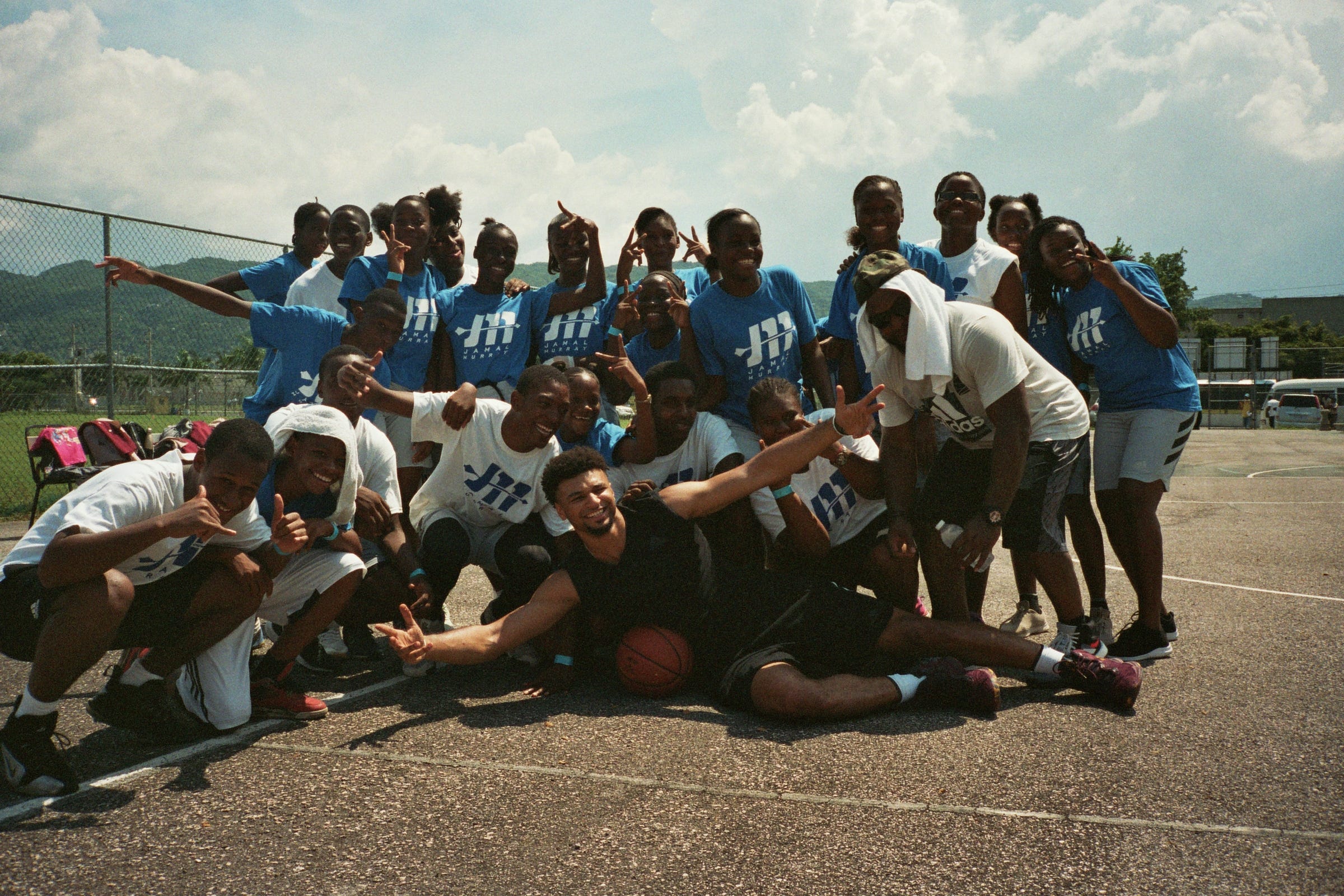
I know this because I’ve felt it. In 2019, I helped organize and document a basketball camp in Jamaica with Jamal Murray and Adidas. We brought 250 kids from the area to Montego Bay. For most of them, it was the first time they had ever left their own city. What I remember most is the smiles. The way those kids looked at the NBA players who showed up, not as celebrities on a screen, but as real people standing right in front of them. The dreams in their eyes. You can’t generate that. You can’t prompt that. That’s culture.
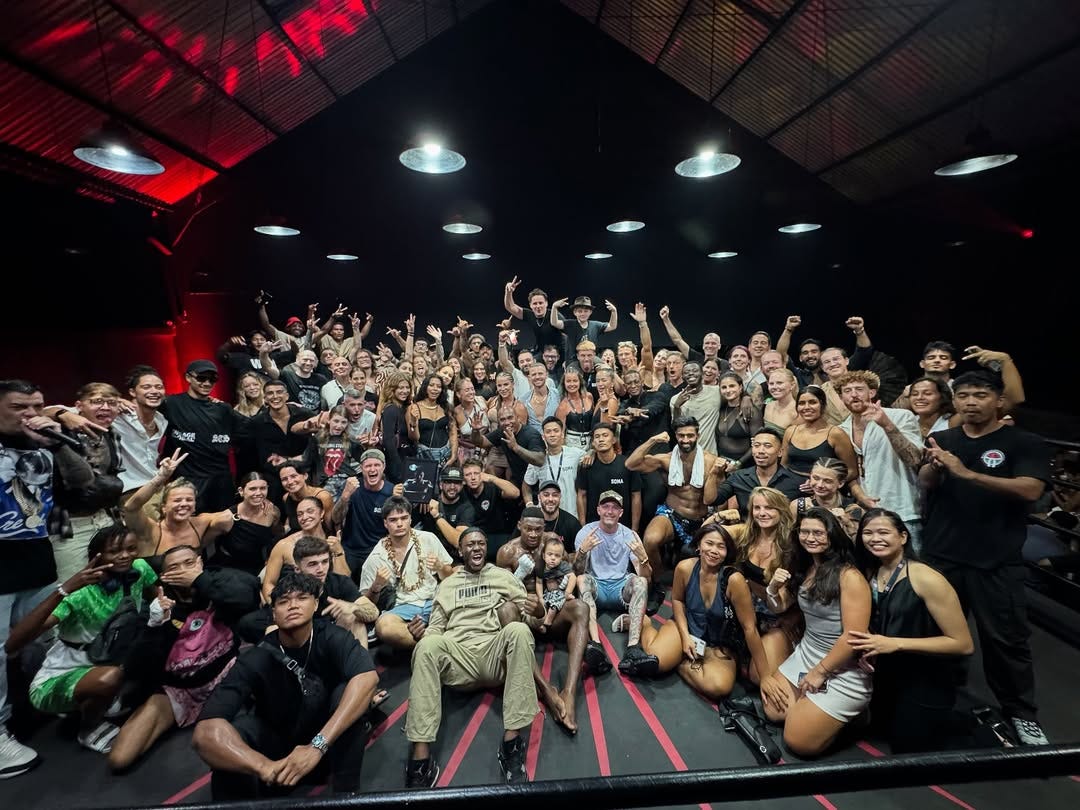
I feel it today too. For the last five years, I’ve been training martial arts. I’ve had two boxing fights and I’m proud of that, it’s a big part of who I am. Right now I train at Soma Fight Club in Bali, alongside professional fighters and champions. People who have no plan B. They have to make it in this fight game. The raw, aggressive energy of combat combined with the calmness and discipline that comes with the art itself. The dedication to perfection. Every time I walk into that gym, I feel something that no screen, no algorithm, no AI-generated content will ever replicate. The feeling of belonging to a group of likeminded people. A family. People who literally sweat, bleed and sometimes cry together, but where everybody supports each other in any way possible, wherever they are in their journey. That is culture. It’s physical. It’s visceral. It’s human.
And here’s what makes culture so powerful right now: it cannot be generated. LeBron James’ journey from Akron to becoming a global icon is a story no AI can write, because no AI lived it. The rise and fall of an Esports team, the breakthrough moment of a musician who spent ten years playing to empty rooms, the retailer who built Supreme out of a small New York shop because he was embedded in skate culture and just did whatever he felt like. These are human stories. They are messy, emotional, unpredictable and deeply real. That is what culture is built on. Not data points. Not optimized content calendars. Real life, happening in real time, to real people.
In the age of AI, culture will not become less important. It will become the most important thing there is. When every brand can generate the same polished content, the same professional imagery, the same strategically optimized messaging, the only thing that will cut through is something that feels genuinely human. Something that has a heartbeat. Something that smells like the streets, the stage, the locker room, the studio. AI can mimic the aesthetic of culture. It will never understand the soul of it.
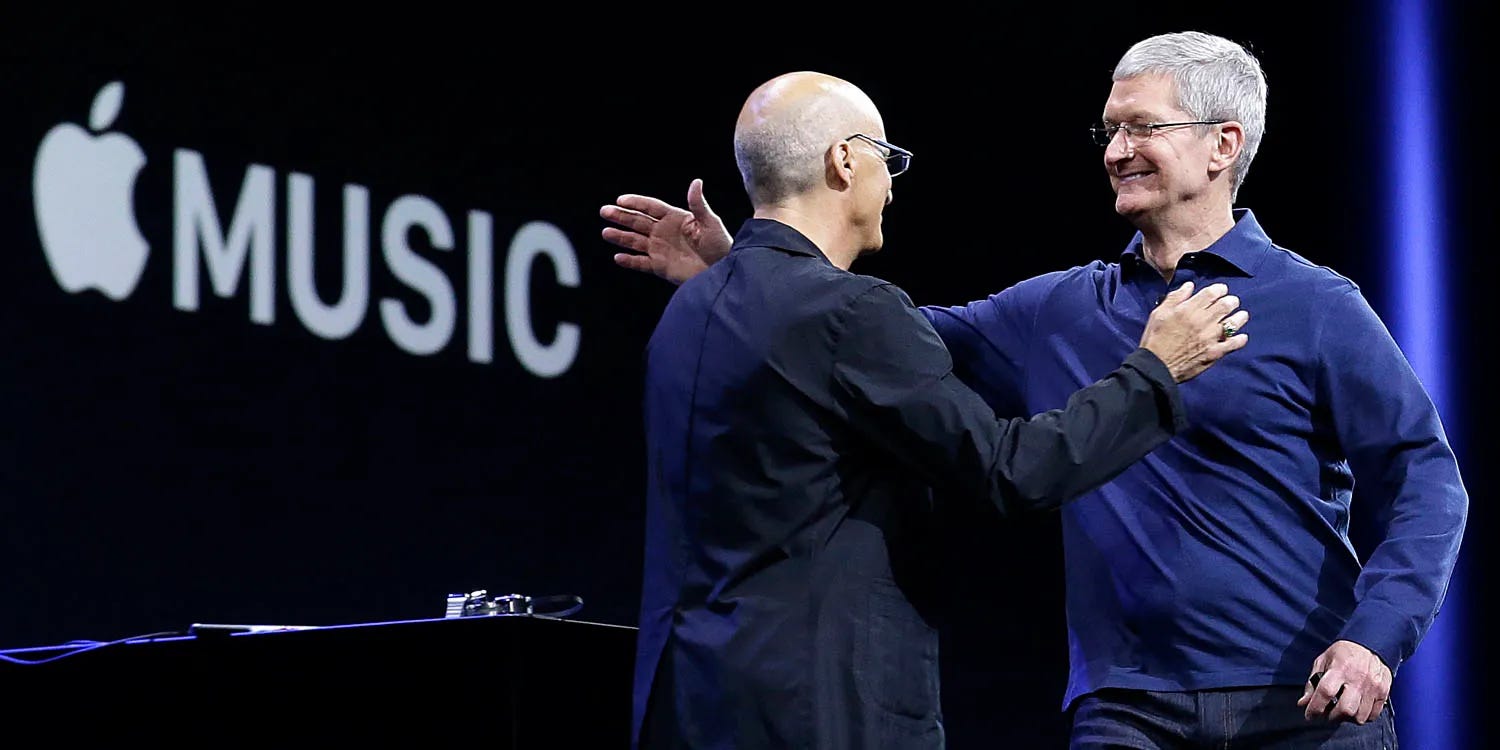
Steve Jobs understood this intuitively. It’s the reason Apple partnered with musicians and artists, not just engineers. It’s the reason Jimmy Iovine (legendary music CEO and producer) said that when he started working with Jobs, Apple felt natural and culturally relevant. It didn’t feel like a machine. The product was technology, but the brand was culture.
So if culture is the fuel, how do you actually build it? Here’s where it gets interesting. We are living through what I like to call the Great Re-Physicalization. After two decades of moving everything to screens, people are actively pushing back. 92% of people are fighting to reduce their screen time. 84% view real-world social activities as a primary form of mental health. 81% are searching for what sociologists call “Third Places,” communal spaces that aren’t work or home. And 74% of consumers are shifting their spending from owning things to experiencing moments.* (per research by Boatsetter)
Think about what that means. In a world that has been optimizing itself to death digitally, physical human connection has become scarce. And when something becomes scarce, it becomes valuable. The brands that understand this will stop obsessing over digital reach and start building real communities. Physical gatherings. Events. Spaces where people put their phones down and actually connect with each other. That is the moat that no algorithm can cross.
The next iconic brands won’t just have followers. They will have communities. Real ones. The kind where people show up, not because an ad told them to, but because they feel something when they’re there. That feeling is culture. And you either have a sense for it, or you don’t. No agent can build that for you. But if you have it, the agents can help you scale everything around it.
Now let me be clear about something. I’m not saying every company needs to follow this exact model. And I’m not saying that the only path to success is to become a culture-driven creative brand. I’ll also be the first to admit that this perspective leans heavily toward consumer-facing brands. That’s the world I come from and the world I love most. But I don’t think being a B2B company exempts you from any of this. There are businesses out there that would rather partner with a company that is creatively sharp and culturally connected, because that signals something about how they think, how they operate, and how well they understand the world around them. Creativity and cultural awareness aren’t just consumer plays. They’re trust signals.
What I am saying is this: if you want to build something iconic, if you are a group of creatives with a vision and the ambition to turn it into something real, these three pillars are your blueprint. The technology to make it happen is here. Right now.
And this framework isn’t just for startups and new ventures. If you’re running an existing brand or company, I’d challenge you to look at your own organization through these three lenses. Be honest with yourself. Do you have daredevils in the room? People with real creative vision who know how to direct AI rather than blindly follow it? Do you have people who are genuinely curious about the technology, who are on top of what’s emerging, who have the drive and agency to push things forward? And are you connected to culture in a meaningful way? Not culture as a line item in a marketing deck, but real, living culture that makes your brand part of a conversation that matters?
If the answer to any of those is no, that’s where the work starts.
So whether you’re building from scratch or rethinking what you’ve already built, the question is the same. Do you have the taste to lead? Do you have the technology to scale? And are you connected to something real?
Because what’s coming next isn’t new.
We’ve seen this before.
Five hundred years ago, the world went through something remarkably similar. The original Renaissance was sparked when a revolutionary technology, the printing press, democratized knowledge for the first time in human history. But the technology alone didn’t change civilization. It was the people who directed it. Da Vinci, Michelangelo, Gutenberg. Visionaries who combined engineering with soul and moved humanity further in fifty years than it had moved in the previous five centuries.
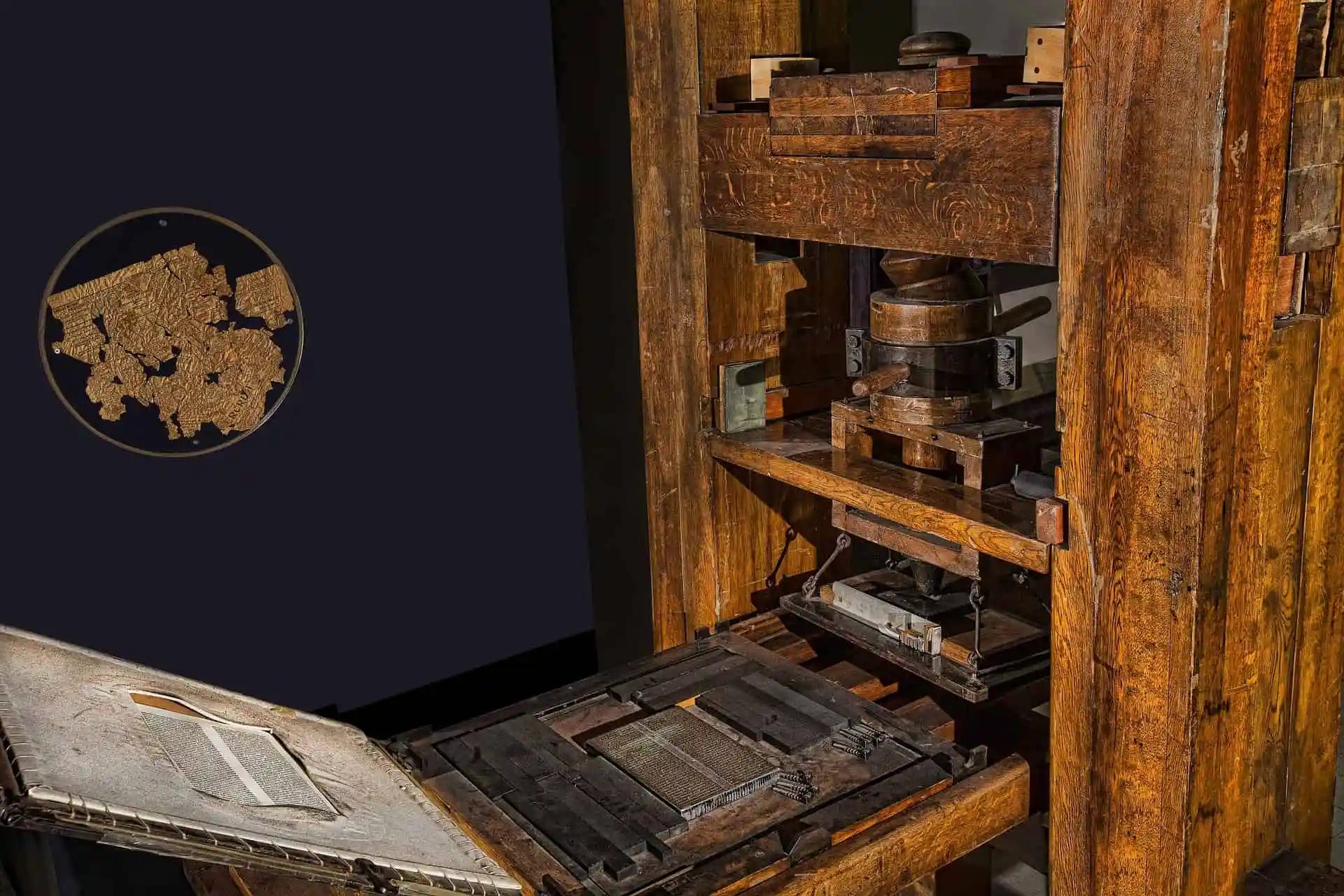
We are standing at that same inflection point. The technology is here. AI is our printing press. It has democratized execution, leveled the playing field, and given every creative on the planet access to tools that would have required an army just five years ago. But just like the original Renaissance, the technology alone will not create the breakthrough. It never does. It will be the people who direct it. The ones with taste, with vision, with the courage to do something the algorithm would never recommend. The ones who are rooted in culture and connected to real human experience.
The first Renaissance was not led by operators. It was led by creatives who happened to master the technology of their time. This one will be no different.
If you’ve made it this far, you’ve just read everything I currently believe about where the world of brands, creativity, and technology is heading.
I don’t have a crystal ball. Nobody does. And if there’s one thing I’ve learned about this technological revolution, it’s that timelines are the hardest thing to predict. I don’t know if everything I’ve described will fully materialize in the next twelve months. Maybe it takes two years. Maybe four. But it will happen. The direction is clear, even if the exact speed isn’t. The world is going to look radically different from everything we know today. And that means the time to start is now. Not when the shift is obvious to everyone. Not when your competitors have already figured it out. Now. You cannot start rethinking your brand when the future has already arrived.
Like I said at the start, this is not a doom story. This is the most exciting time to be alive as a creative. The world is about to see more ideas, more breakthroughs, more art, more creativity, more bold new brands than at any point in modern history. That’s what this moment is going to unlock, just like the Renaissance did five hundred years ago.
For me personally, I’m going to live by it. I’ve spent the last few months rethinking what I want my own work to look like, and the answer kept coming back to the same three forces that run through this entire essay: creativity, technology, and culture. That’s the intersection where I’ve always lived. It’s everything I love. It’s everything I’m curious about. And it’s what I want to talk about, build around, and explore out loud.
I’ll be honest. This probably goes against everything the personal branding experts would tell you to do. Pick a niche. Teach people how to make money with AI. Become an innovation influencer. Optimize your funnel. I’ve heard it all. And I respect it, but that’s just not me. I’d rather do my own thing and talk about what actually excites me than play a game I don’t believe in. Which, if you think about it, is exactly the point of this entire essay.
What I want to build is something for the people who live at that same intersection. The ones who get equally excited about a new AI breakthrough and a raw hip-hop record. The ones who care about design, about culture, about pushing creative boundaries, and who also want to understand the technology that’s reshaping everything around them. If that sounds like you, come along for the ride.
I’m going to share my journey openly. The things I think are cool, the things I’m experimenting with, the things I get wrong. I’m not going to pretend to have all the answers. I am going to have opinions, and I won’t always be right. But my intentions are good and my curiosity is real.
Everything I create has to be for others, a genuine attempt to bring people together who see the world the same way. To co-create. To learn from each other. To do cool things again. Because as I’ve argued throughout this piece, human connection will thrive. It has to. And if we’re intentional about it, the future can be one that benefits everyone, not just a few.
Enough reading. Enough thinking. Let’s go make something the algorithm would never approve.
The Creative Renaissance starts now.